
Beyond the Vanity Metrics
Social media engagement strategies are the tactical approaches brands use to foster meaningful interactions with their audience across social platforms. To boost social engagement effectively, focus on these core tactics:
- Create visual and video content – Half of all social media users prefer video over other content types
- Respond promptly to comments and DMs – Comments get 1.6x more engagement when the original poster responds
- Share user-generated content – 79% of consumers say UGC significantly impacts their purchasing decisions
- Post consistently at optimal times – Use platform-specific data to find when your audience is most active
- Tell authentic stories – Companies with compelling brand stories increase customer loyalty by 20%
- Use interactive formats – Polls, quizzes, and Q&As drive participation and signal activity to algorithms
Picture this: You’re demonstrating your products at a kiosk, showing off benefits and social proof. Everything looks perfect. But people just walk past like you’re invisible.
That’s what social media without engagement looks like.
More than half of the world—63% of people—now uses social media. And 90% of them communicate with brands on these platforms. Yet many businesses treat social media like a billboard: post content, walk away, hope someone notices.
Engagement is what makes social media social. It’s the difference between shouting into the void and having actual conversations. It’s how algorithms decide whether your content deserves to be seen. It’s the bridge between brand awareness and customer loyalty.
The spray-and-pray approach doesn’t work anymore. Your audience can spot generic, AI-generated content from a mile away. They’re selective about where they give their attention and trust.
The good news? Building genuine engagement isn’t rocket science. It requires understanding your audience deeply, showing up consistently, and treating every interaction as an opportunity to contribute—not just communicate.
This guide will show you exactly how to transform your social media presence from passive posting to passionate engagement that drives real business results.
What is Social Media Engagement and Why is it Crucial?
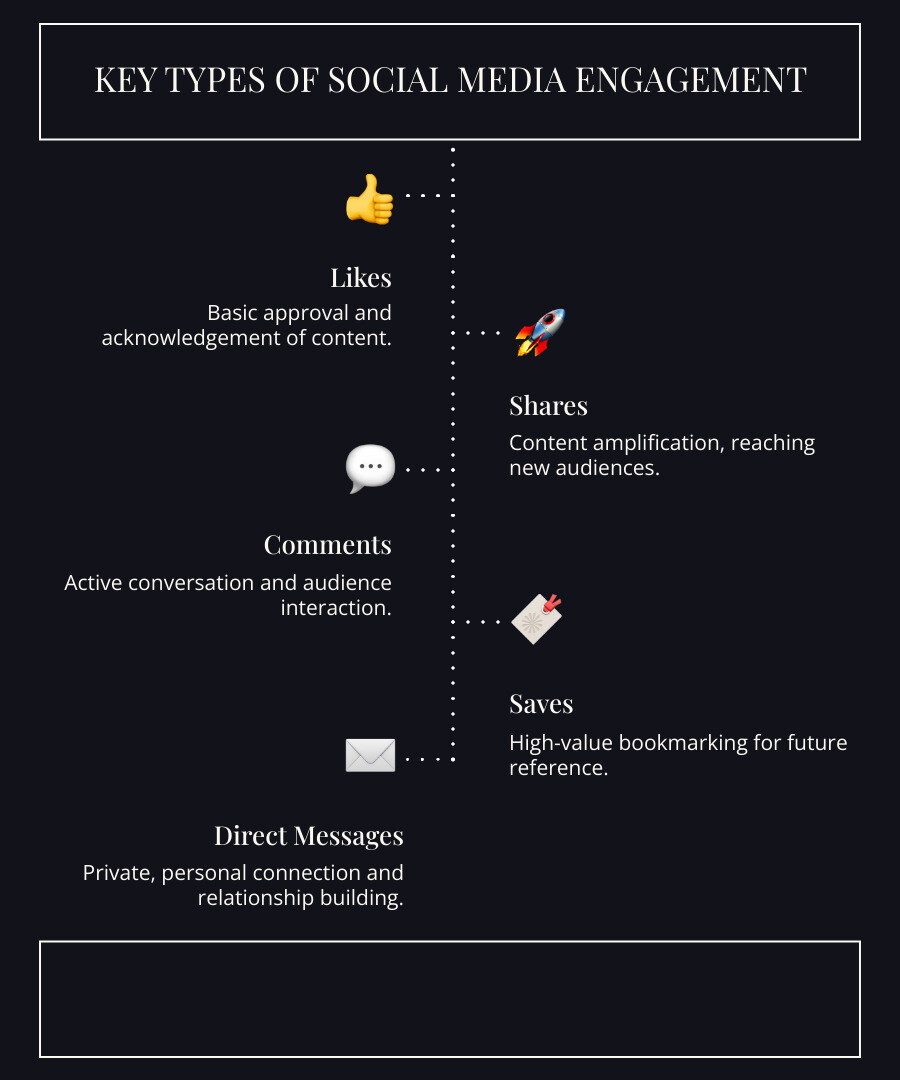
Social media engagement is the full spectrum of interactions between your audience and your brand’s social presence. It’s not just about the number of likes you get; it’s about whether your audience is truly connecting with you and if your content is hitting the right chord. This includes everything from a quick like or share to a thoughtful comment, a direct message, or even saving your post for later. It encompasses both how your audience interacts with you (inbound engagement) and how you interact with them (outbound engagement).
For brands, engagement is paramount. It signals that your content is effective and resonates with your target audience, fostering genuine interactions that can build community and brand loyalty. When your audience is engaged, they’re not just passively consuming; they’re participating, advocating, and ultimately, more likely to convert into loyal customers.
The Evolution of Engagement
The definition and importance of social media engagement have shifted dramatically over the years. In the early days, “likes” and follower counts were often seen as the primary indicators of success. It was a numbers game, a race for vanity metrics. However, as platforms matured and algorithms became more sophisticated, the focus moved from mere quantity to meaningful quality.
Today, engagement is viewed as a real conversation between a brand and its audience. Every like, comment, and share is a sign that content is sparking genuine interest and connection. This evolution has led to a greater emphasis on:
- Meaningful Interactions: Beyond a simple like, comments, shares, and saves now hold more weight, indicating deeper interest.
- Community Building: Brands are actively working to foster a sense of belonging among their followers, creating spaces where people can connect with each other and the brand. This is about creating lasting, mutually respectful relationships instead of just fleeting attention.
- Social Customer Care: Engaging with customers on social media means responding to their questions, feedback, and concerns in real-time. Brands that respond quickly and thoroughly show they care, which can significantly boost customer loyalty. Research shows that customers spend 20-40% more with companies that respond to customer service requests on social media.
- Authenticity as a Priority: Audiences are increasingly sophisticated. They can spot generic, AI-generated content from a mile away. Authenticity in engaging with an audience makes followers loyal and builds trust, which is crucial for long-term relationships.
Why Algorithms Prioritize Engagement
Social media platforms aren’t just content distributors; they are engagement engines. Their primary goal is to keep users on their platforms for as long as possible. To do this, their algorithms are designed to prioritize and show users content that is most likely to keep them engaged.
Here’s why algorithms love engagement:
- Keeping Users on Platform: Content that generates comments, shares, and saves indicates to the algorithm that it’s valuable and interesting. This content is then shown to more users, creating a positive feedback loop that increases time spent on the app.
- Rewarding Valuable Content: Algorithms act as gatekeepers, boosting content that demonstrates value through audience interaction. This means that highly engaging posts get more organic reach, expanding your visibility without additional ad spend.
- Organic Reach Impact: When your content consistently performs well and fosters interactions, platforms are more likely to show it to a wider audience, including people who don’t already follow you. This organic reach is invaluable for brand growth.
- Lowering Paid Acquisition Costs: Strong organic engagement can make your paid social media campaigns more effective. Content that already resonates organically often performs better when promoted, potentially reducing your cost per acquisition.
Understanding these dynamics is crucial for any brand looking to succeed on social media. It means moving beyond simply posting to strategically fostering interaction. To learn more about how to optimize your social strategy, explore our comprehensive social media services: https://mdmmarketing.io/services/social-media/.
Core Social Media Engagement Strategies That Drive Results
Building a successful social media presence requires more than just showing up; it demands a strategic approach to engagement. Effective social media engagement strategies are built on understanding your audience, delivering consistent value, and proactively participating in conversations.
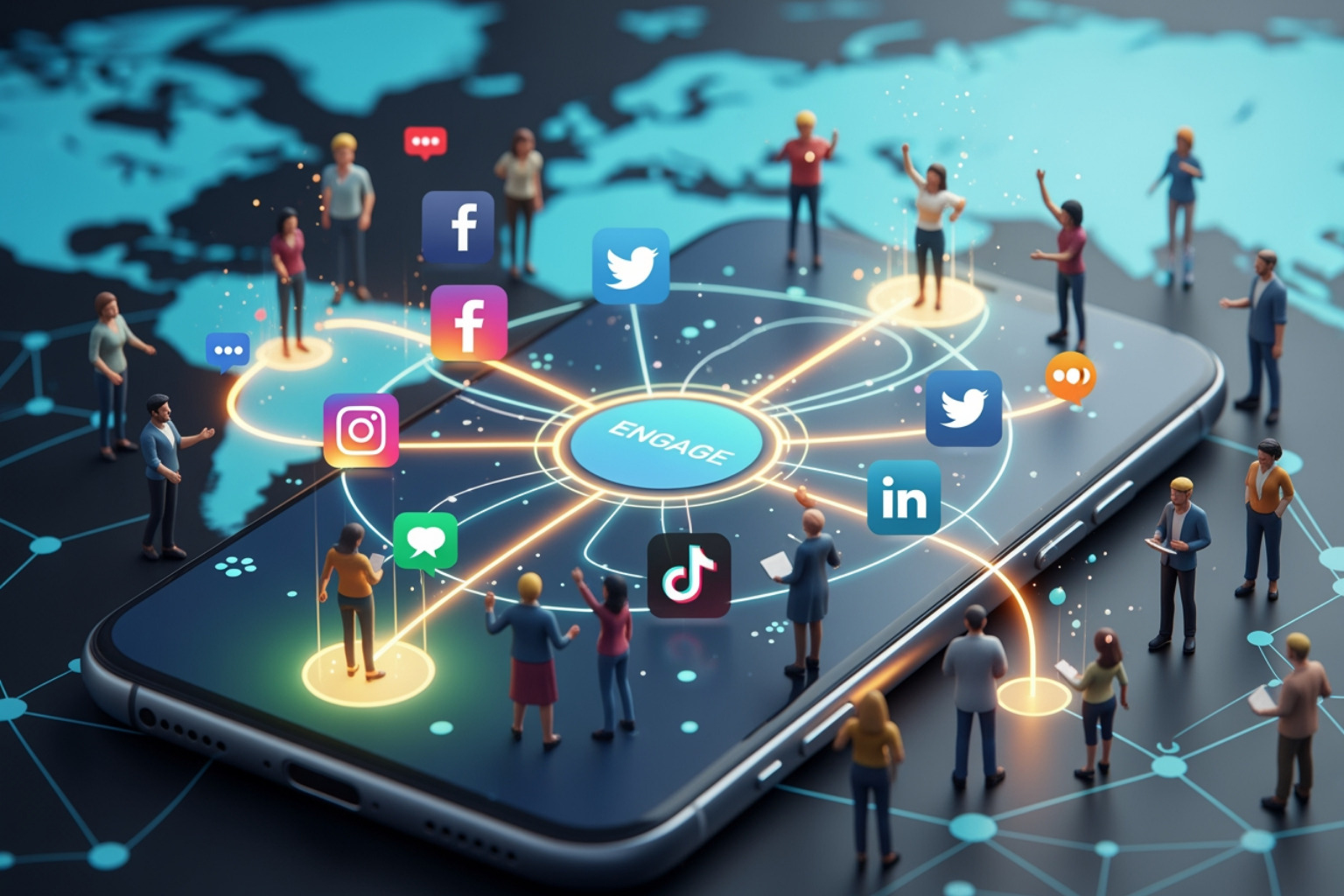
At MDM Marketing, we emphasize a holistic approach, starting with clear content pillars and a deep understanding of your target audience. This foundation allows for the creation of content that truly resonates, turning passive viewers into active participants.
Master Content That Captivates and Converts
The type of content you share is perhaps the most direct lever you can pull to boost engagement. Today’s audiences are visually driven and crave interaction.
- Visual Content Importance: Visuals are non-negotiable. Posts with images get more engagement than those without. Over half of marketers (56.2%) believe high-quality visuals are key to their strategy. Experiment with a variety of visuals, including images, infographics, memes, and GIFs.
- Images: High-quality, branded images relevant to your message stop the scroll.
- Infographics: Break down complex data or concepts into easily digestible and shareable formats. SoFi, for example, uses infographics to explain financial topics.
- Memes & GIFs: Humor goes a long way. Memes can humanize your brand and keep content lighthearted, even if not directly promotional. Discord is known for its lighthearted, whimsical tone on X, often using memes featuring its mascot.
- Video Marketing: This is the undisputed champion of engagement. Half of social media users prefer video over other types of content.
- Short-form Video: Platforms like TikTok and Instagram Reels prioritize short, snappy videos. The average watch time and video completion rate are critical metrics here. 92% of consumers watch videos with the sound off, so add captions to make your content accessible.
- Live Video: People spend three times as much time engaging with a live video than with one that is prerecorded. Use live sessions for Q&As, product showings, or behind-the-scenes glimpses.
- Interactive Content: Don’t just talk at your audience; talk with them! Interactive formats directly invite participation.
- Polls, Quizzes, & Q&As: These are incredibly effective. Spotify engages its audience on X by asking about favorite music genres. Monday.com uses interactive Instagram Story polls to gather insights.
- Contests & Giveaways: These incentivize engagement. Dove frequently runs contests asking users to share self-care stories, aligning with their brand mission.
- User-Generated Content (UGC): This is gold for authenticity and social proof. 79% of consumers think user-generated content significantly impacts their purchasing decisions. Encourage customers to share their experiences with your products and repost their content (with permission, of course!). GoPro excels at this, showcasing adventure photos and videos taken by their customers.
- Educational Content: Position your brand as a thought leader. IBM frequently shares educational content on LinkedIn, including articles and white papers on emerging technologies, engaging their B2B audience.
Creating compelling content is a cornerstone of digital marketing. Find how our content marketing services can help you craft engaging narratives that convert: https://mdmmarketing.io/services/content-marketing/.
Leverage Authenticity, Storytelling, and Community
In a world saturated with content, authenticity and connection stand out. Brands that tell compelling stories and build genuine communities forge deeper, more lasting relationships with their audience.
- Brand Voice and Personality: Develop a distinct voice that reflects your brand’s values. Whether it’s witty, informative, or inspiring, consistency is key. Brands like Wendy’s use a bold and humorous interaction strategy to build a witty and relatable persona.
- Humanizing Your Brand: Show the people behind the logo. Companies with compelling brand stories often increase customer loyalty by 20%. This isn’t just about your products; it’s about your mission, your values, and your impact.
- Narrative Arc: Structure your stories with a clear beginning, middle, and end. Whether it’s a customer success story, a brand origin tale, or a campaign narrative, make it relatable and emotionally resonant.
- Behind-the-Scenes Content: Offer a glimpse into your brand’s culture and inner workings. This content can humanize your brand and even reach different audiences. The US Olympic and Paralympic Committee (USOPC), for instance, shared behind-the-scenes content of athletes’ preparations for the Paris 2024 Olympics, generating significant engagement.
- Fostering a Sense of Belonging: Social media is about community. Encourage conversations, respond to comments, and spotlight user contributions. Branded Facebook Groups, like the Instant Pot Community with over 3.1 million members, are excellent examples of this.
Developing Platform-Specific Social Media Engagement Strategies
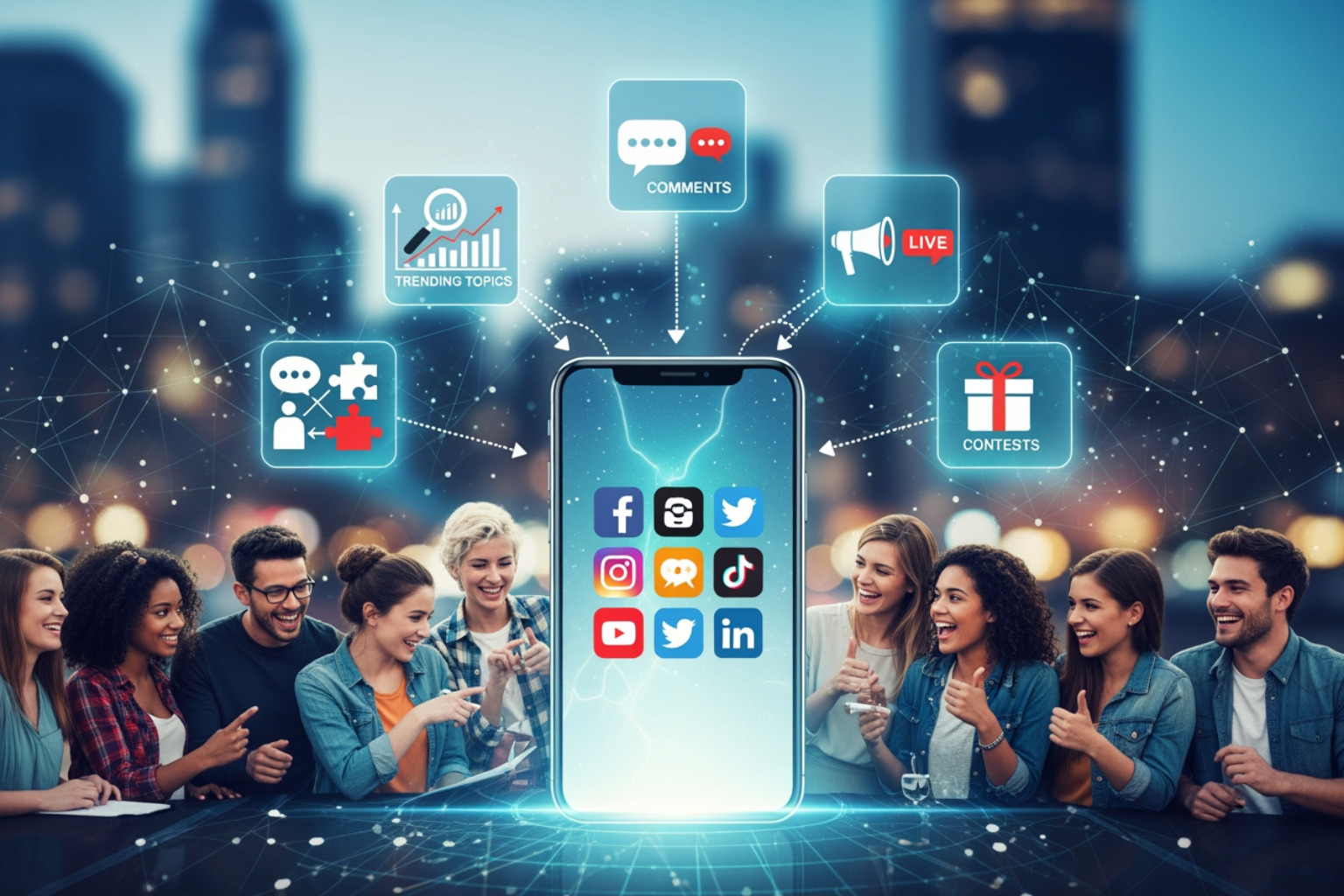
Each social media platform has its own unique audience, content preferences, and algorithmic nuances. A one-size-fits-all approach to social media engagement strategies is destined to fail. Successful brands tailor their content and engagement tactics to fit each platform’s specific characteristics.
Here’s a comparison of engagement tactics across major platforms:
| Platform | Key Demographics & Culture | Most Effective Content Types & Tactics |
|---|---|---|
| Visual-first, Gen Z & Millennials, lifestyle, inspiration, community. | High-quality visuals, Reels (short video), Stories (interactive polls, Q&As), Carousels, User-Generated Content (UGC), Influencer collaborations. | |
| TikTok | Short-form video, Gen Z dominated, trends, humor, authenticity, entertainment. | Fast-paced, trending audios, challenges, behind-the-scenes, educational snippets, direct interaction in comments. |
| Professional networking, B2B, thought leadership, career development. | Native articles, professional videos, white papers, industry insights, polls, long-form posts, employee advocacy, live events. | |
| X (formerly Twitter) | Real-time news, conversations, quick takes, humor, customer service. | Short text posts, images, GIFs, polls, replies to trending topics, live discussions (Twitter Spaces), memes, direct customer support. |
Consider the case of a Cardi-B meme: it might earn over 40,000 views on TikTok, but draw little engagement on LinkedIn. This illustrates why understanding platform culture is crucial. B2B brands, for example, can find significant success on LinkedIn by sharing educational content and thought leadership, while TikTok might be better for showcasing company culture or playful behind-the-scenes moments. Even B2B companies like CDW have seen massive success on TikTok, beating their traffic targets by 182% with a targeted campaign.
Measuring, Analyzing, and Optimizing for Success
Even the most brilliant social media engagement strategies are only as good as their measurable results. Data-driven decision-making is paramount for continuous improvement and proving the value of your social media efforts. Without proper tracking and analysis, you’re essentially flying blind.
Using Data to Track and Interpret Engagement
To effectively track and interpret your social media engagement, focus on key performance indicators (KPIs) that align with your overall business objectives.
-
Key Performance Indicators (KPIs):
- Engagement Rate: This is often calculated as total interactions (likes, comments, shares, saves) divided by reach or followers. It tells you how interactive your audience is with your content.
- Follower Growth Rate: While not a vanity metric, consistent growth indicates your content is attracting new audiences.
- Click-Through Rate (CTR): For posts driving to external links, CTR measures how many people clicked compared to how many saw the post.
- Average Watch Time / Video Completion Rate: Crucial for video content, indicating how captivating your videos are.
- Mentions & Brand Volume: Tracks how often your brand is being talked about.
- Sentiment Analysis: Understanding the emotional tone of conversations around your brand.
-
Native Analytics Tools: Every major social media platform provides its own analytics dashboard (e.g., Instagram Insights, TikTok Analytics, LinkedIn Analytics, X Analytics). These are your first stop for understanding post performance and audience demographics.
- UTM Parameters: Use UTM tags consistently on all links shared on social media. This allows you to accurately track traffic and conversions from specific social posts within Google Analytics, giving you a clearer picture of what drives website activity.

Measuring the ROI of Your Social Media Engagement Strategies
Measuring the Return on Investment (ROI) of social media can be challenging, but it’s essential for justifying your marketing spend. Nearly 60% of marketing professionals struggle to accurately track ROI from social media marketing. However, by connecting your social media metrics to tangible business goals, you can demonstrate real value.
- Connecting Metrics to Business Goals: Link engagement metrics to broader objectives like lead generation, sales, customer retention, or brand sentiment. For example, if a campaign aims to generate leads, track how many leads originated from social media.
- Tracking Conversions: Use UTM parameters and analytics tools to track how many social media users complete a desired action, such as signing up for a newsletter, downloading an ebook, or making a purchase.
- Lead Generation from Social Media: Social media can be a powerful lead generation tool. Track the quantity and quality of leads acquired through social channels.
- Customer Lifetime Value (CLV): Engaged customers tend to be more loyal. Social media engagement can contribute to higher CLV by fostering stronger relationships and reducing churn.
- Calculating ROI: While a direct monetary ROI can be complex, you can calculate it by comparing the revenue generated from social media activities against the costs of those activities. Even if direct sales aren’t the primary goal, improved brand sentiment, customer service cost reduction, or increased website traffic all contribute to overall business health.
For a deeper dive into understanding your marketing performance and optimizing your digital strategy, explore our analytics services: https://mdmmarketing.io/services/analytics/.
Overcoming Common Engagement Challenges
Even with the best social media engagement strategies, brands inevitably face problems. The social media landscape is dynamic, and challenges are part of the journey.
- Content Saturation: With 90% of social media users following at least one brand, the feed is crowded. The challenge is to create memorable and engaging content that cuts through the noise.
- Solution: Focus on high-quality, relevant content custom to your audience’s values. Experiment with diverse formats and leverage user-generated content to stand out.
- Algorithm Changes: Platform algorithms are constantly evolving, sometimes without notice. What worked yesterday might not work today.
- Solution: Stay informed about platform updates, test different content types, and prioritize genuine audience interaction, which algorithms consistently reward.
- Handling Negative Comments and Reviews: Negative feedback can damage a brand’s reputation; 92% of consumers say a negative review discourages them from using a business.
- Solution: Respond quickly, professionally, and empathetically. Acknowledge the issue publicly, then offer to resolve it privately (e.g., via DM or email). Never delete legitimate negative comments unless they are abusive or spam.
- Keeping Up with Trends: Audience interests shift rapidly. What’s trending today might be old news tomorrow.
- Solution: Practice social listening to monitor current conversations, memes, and challenges. Jump on relevant trends swiftly, but ensure they align with your brand voice and values.
- Resource Limitations: Creating engaging content, managing communities, and analyzing data requires time and expertise.
- Solution: Prioritize platforms where your audience is most active. Repurpose existing content efficiently. Consider partnering with a digital marketing agency like MDM Marketing to leverage specialized expertise and resources. MDM Marketing helps businesses in Canton, OH and beyond optimize their social media efforts for maximum impact.
The Future of Engagement: Trends for 2025 and Beyond
The social media landscape is always evolving, and social media engagement strategies must evolve with it. Looking ahead to 2025 and beyond, several key trends are shaping how brands will connect with their audiences.
- AI in Content Creation and Optimization: Artificial intelligence is already playing a significant role in generating content ideas, drafting captions, and even creating visual assets. In the future, AI will become even more sophisticated, helping brands personalize content at scale and predict what types of posts will resonate most with specific audience segments.
- Social Commerce Integration: The line between social media and e-commerce will continue to blur. Direct shopping features within platforms (in-app checkout, live shopping events) will become standard, making the path from findy to purchase seamless. Engagement will increasingly be tied to driving direct sales and conversions within the social environment.
- Rise of Niche Communities and Dark Social: While large platforms remain dominant, users are also gravitating towards smaller, more intimate online communities (e.g., Discord servers, private Facebook groups, Threads communities). Engagement here is hyper-targeted and fosters deeper loyalty. “Dark social” (private messaging apps) will also continue to be a significant channel for content sharing and discussion.
- Continued Dominance of Short-Form Video: Short-form video, popularized by TikTok and acceptd by Instagram Reels and YouTube Shorts, will continue to be the most engaging content format. Expect more interactive elements, advanced editing features, and deeper integration into brand storytelling.
- Hyper-Personalization: Generic content is out; highly personalized experiences are in. Brands will leverage data and AI to deliver content, recommendations, and interactions custom to individual user preferences and behaviors, making each interaction feel unique and relevant.
- Augmented Reality (AR) Filters and Experiences: AR filters, virtual try-ons, and immersive experiences will become more common, offering fun, interactive ways for users to engage with brands and products directly within social apps.
Here are the Top 3 Social Media Trends to Watch:
- Authenticity and Relatability Reign Supreme: Consumers crave genuine connections. Brands that show their human side, share authentic stories, and are transparent will build stronger, more engaged communities.
- Interactive Experiences Drive Participation: Moving beyond passive consumption, interactive content formats like polls, quizzes, live Q&As, and AR experiences will be crucial for capturing attention and fostering two-way dialogue.
- Community-First Approach: Shifting from a follower-centric to a community-centric mindset, where fostering belonging and facilitating peer-to-peer interaction becomes a core strategy.
Frequently Asked Questions about Social Media Engagement
What are the best types of content for driving engagement?
The most effective content for driving social media engagement is dynamic, visual, and interactive.
- Video Content (especially short-form): Half of social media users prefer video. Short, snappy videos with captions perform exceptionally well, as 92% of consumers watch with the sound off.
- Interactive Posts: Polls, quizzes, question-and-answer sessions, and interactive stories actively involve your audience, boosting engagement rates and providing valuable insights.
- User-Generated Content (UGC): Sharing content created by your customers acts as authentic social proof and significantly impacts purchasing decisions for 79% of consumers.
- High-Quality Images and Carousels: Visually appealing static images and multi-image carousel posts (especially on Instagram) can stop the scroll and convey information effectively.
- Behind-the-Scenes Content: Offering a glimpse into your brand’s culture, processes, or daily operations humanizes your brand and fosters connection.
How often should I post to keep my audience engaged?
The golden rule is consistency over quantity. While some platforms might suggest high frequencies (e.g., TikTok with 1-4 posts/day), it’s more important to maintain a regular, reliable posting schedule than to post excessively and burn out. For most B2B brands, a sweet spot is around 3-5 posts per week per platform, but this can vary.
The best approach is to:
- Analyze your own data: Your audience’s behavior is unique. Use platform analytics to see when your posts get the most engagement.
- Prioritize quality: A few high-quality, highly engaging posts are far better than many low-quality, generic ones.
- Listen to your audience: If they’re asking for more, consider increasing frequency. If engagement drops with more posts, scale back.
How do I handle negative comments or a social media crisis?
Handling negative comments and crises effectively is crucial for maintaining brand reputation.
- Respond Quickly and Professionally: Timeliness is key. Acknowledge the comment promptly (within hours, if possible) and maintain a calm, professional tone.
- Acknowledge and Empathize: Show that you understand their frustration or concern. Use phrases like “We’re sorry to hear that…” or “We appreciate you bringing this to our attention.”
- Offer to Resolve Privately: For sensitive or complex issues, publicly acknowledge the comment and then invite the user to move the conversation to a private channel (Direct Message, email, or phone call). This shows transparency while protecting personal information.
- Never Delete (Unless Abusive/Spam): Do not delete legitimate negative comments, as this can escalate the situation and make your brand appear untrustworthy. Only remove comments that are abusive, hateful, or clearly spam.
- Have a Crisis Management Plan: Prepare in advance. Outline who is responsible for monitoring, who responds, and what the escalation process is for different types of issues. This ensures a consistent and controlled response.
Conclusion: Transform Your Engagement from Passive to Passionate
In today’s dynamic digital landscape, social media engagement strategies are no longer a nice-to-have; they are a fundamental pillar of business growth. The journey from simply accumulating “likes” to cultivating genuine “love” for your brand requires a thoughtful, data-driven, and human-centric approach.
We’ve explored how understanding the evolution of engagement, mastering diverse content types, leveraging authenticity and storytelling, and tailoring strategies to each platform are crucial. We’ve also highlighted the necessity of measuring what truly matters and proactively addressing common challenges.
The core takeaway is clear: successful social media is about shifting from broadcasting to conversing. It’s about building lasting relationships, fostering vibrant communities, and consistently delivering value that resonates with your audience. This commitment to authentic engagement not only boosts your visibility through algorithms but also translates into increased customer loyalty, stronger brand advocacy, and tangible business results.
At MDM Marketing, we specialize in crafting customized social media strategies that align with your unique goals, helping businesses like yours in Canton, OH, and beyond, transform their online presence. Ready to turn your social media into a powerful engine for connection and growth?
Connect with us to build your strategy and start fostering passionate engagement today: https://mdmmarketing.io/contact/.
About Jay McCullough
This author hasn't written a bio yet.