
Business Scaling Solutions: Unlock Effective in 2025
Why Business Scaling Solutions Matter for Sustainable Growth
Business scaling solutions are strategic approaches that help companies increase revenue and expand operations without proportionally increasing costs or resources. Here’s what effective scaling involves:
- Optimizing existing processes through automation and technology
- Building scalable systems that handle growth efficiently
- Managing cash flow to fund expansion sustainably
- Developing strong teams while maintaining company culture
- Leveraging data-driven strategies for informed decision-making
You’ve built something real. Your business is generating revenue, customers keep coming back, and you’re hitting your targets month after month. Now you’re facing a new challenge: how do you grow without breaking what already works?
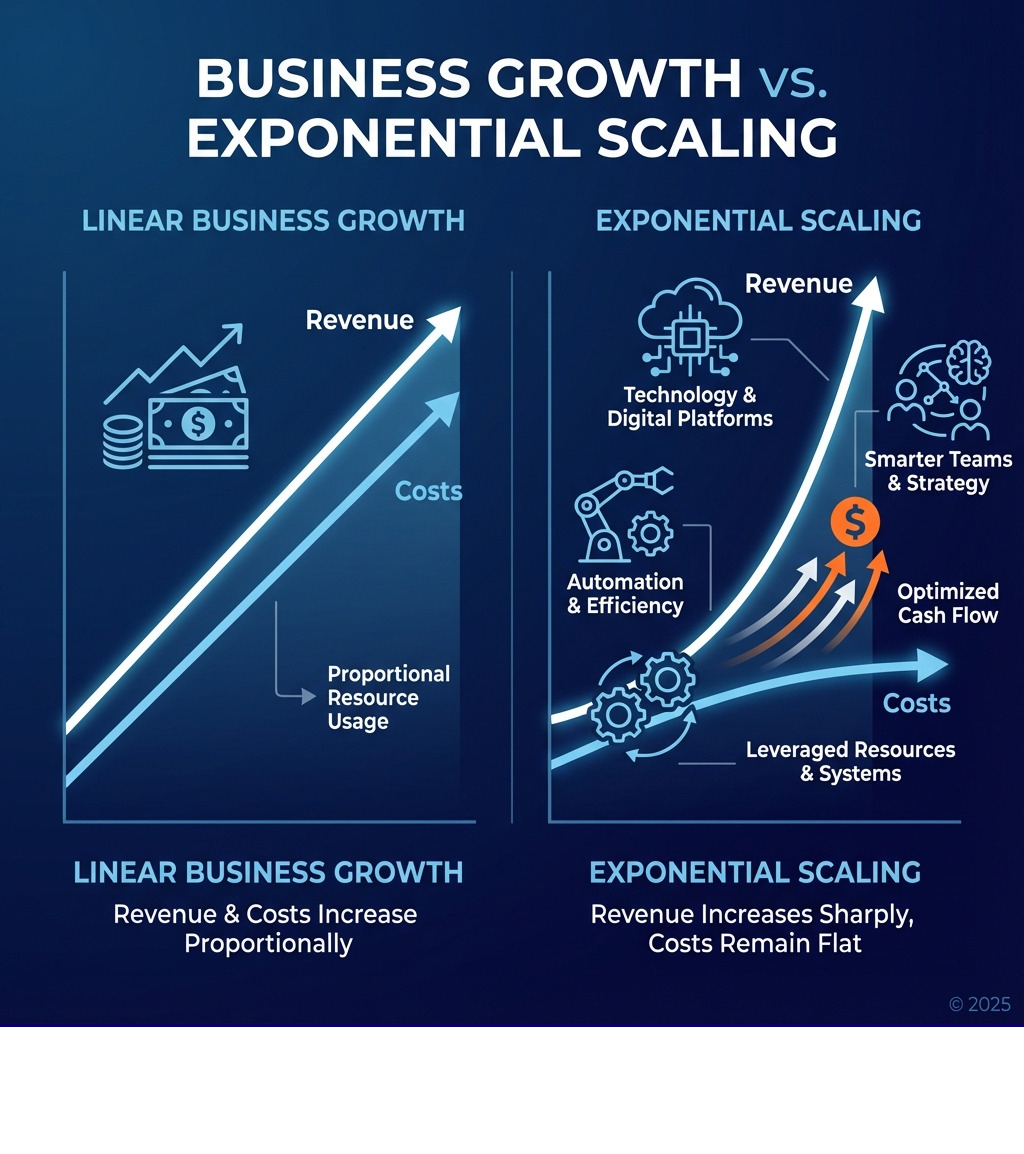
Scaling is different from simply growing. When you grow, you add more of everything – more staff, more expenses, more complexity. When you scale, you increase output and revenue while keeping costs relatively flat. It’s about working smarter, not just bigger.
The statistics tell a sobering story. A McKinsey report found that 78% of startups don’t see their products through to a full scale-up. Why? Because scaling requires more than ambition. It demands the right systems, strategic planning, and a fundamental shift in how you operate.
This guide will walk you through the proven strategies, essential tools, and mindset shifts needed to scale successfully. You’ll learn how to identify when you’re ready, avoid common pitfalls, and implement solutions that drive sustainable expansion.
Understanding the Foundations of Business Scaling
Scaling a business is a transformative journey, allowing companies to maximize profitability without diluting quality or overextending resources. Understanding the fundamental differences between growth and scaling, recognizing readiness indicators, and anticipating challenges are crucial first steps. Understanding these phases of business growth helps businesses steer the complexities of sustainable expansion.

What is Scaling and How Does It Differ from Growth?
While often used interchangeably, “growth” and “scaling” represent distinct business concepts. Growth typically refers to increasing revenue, customers, or market share, often by increasing resources proportionally. For example, hiring ten new sales reps to expand into a new region might increase revenues and expenses at a similar rate.
Scaling, on the other hand, means increasing revenue and output without a proportional increase in costs or resources. It’s about optimizing existing processes and leveraging systems to generate significantly more output with only marginal additional input. A business in scaling mode aims to increase its bottom line or operational capacity without making big investments in personnel, equipment, or technology. This approach leads to higher profitability and more efficient resource allocation. As one expert puts it, a scalable company can handle 10 times the customers without needing 10 times the employees or 10 times the costs.
Key Indicators That Your Business is Ready to Scale
Knowing when your business is ready to scale is paramount to success. Attempting to scale prematurely can lead to operational chaos and financial strain. Here are key indicators that suggest your business is prepared for the next level:
- Consistent Demand: You have a steady stream of customers, and demand for your products or services is consistent, often exceeding your current capacity. This indicates a proven market fit.
- Stable Cash Flow: Your business consistently generates healthy profits and has a robust cash reserve. This financial stability provides the necessary buffer to invest in scaling initiatives without risking day-to-day operations. The rule of thumb suggests that consistently increasing revenues over a period of six months is a good sign.
- Repeatable and/or Automated Processes: Your core operations are standardized, documented, and ideally, automated. This allows for efficient replication and expansion without relying on ad-hoc solutions.
- Strong and Adaptable Team: Your current team is competent, engaged, and capable of adapting to change. They understand their roles and are ready to take on new challenges as the business expands.
- Positive Customer Feedback: You consistently receive positive reviews and testimonials, indicating high customer satisfaction and a strong brand reputation. This foundation is critical for retaining customers during expansion.
- Meeting Goals Consistently: Your business regularly meets or exceeds its operational and financial targets, demonstrating effective management and execution.
The Primary Challenges Businesses Face When Scaling
Scaling is not without its problems. Many businesses stumble during this phase because they underestimate the complexities involved. According to McKinsey & Company, “successful business building” requires a clear understanding of market dynamics, organizational structure, and leadership agility—factors that are crucial to overcoming these problems. Here are some of the primary challenges:
- Operational Bottlenecks: Processes that worked for a small team can become major roadblocks as volume increases. Manual tasks, inefficient workflows, and lack of standardization can severely limit throughput.
- Maintaining Quality: As operations expand, it becomes harder to ensure consistent quality in products or services. This can lead to customer dissatisfaction and damage brand reputation.
- Cash Flow Management: Rapid growth often requires significant upfront investment in infrastructure, technology, and talent before increased revenue materializes. Managing cash flow during this period is critical to avoid financial distress.
- Hiring and Retaining Talent: Finding the right people with the necessary skills and cultural fit can be challenging. The talent shortage is a global issue, and hiring mistakes can be costly. The Society for Human Resource Management (SHRM) has an interesting perspective on why employees leave, often citing poor management or lack of growth opportunities.
- Preserving Company Culture: Rapid expansion can dilute the unique culture of a business if not actively managed. Maintaining communication, transparency, and core values becomes more difficult with a larger, more distributed workforce.
- Adapting to Market Changes: The market is constantly evolving. Businesses must remain agile and responsive to shifting customer demands, new technologies, and competitive pressures during scaling.
Crafting Your Strategic Blueprint for Scaling
A well-defined strategy is the backbone of successful scaling. It involves meticulous planning, financial foresight, and a clear understanding of your business model.

Essential Steps in Creating a Business Scaling Strategy
Developing a robust scaling strategy involves several critical steps:
- Audit Current Operations: Before expanding, thoroughly assess your existing processes, systems, and resources. Identify what works, what doesn’t, and where bottlenecks exist. This audit should cover sales, marketing, operations, finance, and human resources.
- Set Clear KPIs and Goals: Define measurable Key Performance Indicators (KPIs) that align with your scaling objectives. These could include revenue per employee, customer acquisition cost, customer lifetime value, or operational efficiency metrics. Set realistic, time-bound goals for each.
- Develop a Financial Forecast and Budget: Create a detailed financial projection that includes expected revenue increases, operational cost changes, and required investments for scaling. This budget should account for all potential expenses, including technology, hiring, and marketing.
- Define Your Scalable Business Model: Ensure your business model is inherently scalable. Models like subscriptions, digital services, or platforms often scale more efficiently than those heavily reliant on custom solutions or significant physical infrastructure. For example, productizing services by standardizing offerings can eliminate lengthy sales cycles and reduce proposal writing, allowing for more efficient client acquisition.
- Create a Marketing and Sales Plan: Develop a strategic plan to acquire new customers and expand your market reach. This should include targeted marketing campaigns, sales process optimization, and channels for lead generation. MDM Marketing offers data-driven strategic marketing services for visibility that can be custom to support your scaling objectives.
How to Effectively Manage Cash Flow and Funding
Effective cash flow management is paramount during scaling, as rapid growth can quickly consume capital. Forbes provides insights on improving cash flow and highlights how businesses can avoid financial pitfalls.
- Cash Flow Forecasting: Implement rigorous cash flow forecasting to anticipate inflows and outflows. Regularly monitor your cash position and maintain a detailed financial forecast to predict future needs.
- Building a Financial Cushion: Aim to build a substantial cash reserve to cover operational expenses for several months. This cushion provides stability and allows you to weather unexpected challenges or invest in opportune moments.
- Securing Funding Options: Explore various funding avenues to support your expansion. Options include:
- Reinvesting Profits: Using your business’s own earnings to fund growth, which offers financial independence but can be slower.
- Loans and Lines of Credit: Traditional bank loans or lines of credit can provide capital with predictable repayment terms.
- Venture Capital (VC): For high-growth businesses, VC funding can provide significant capital but often comes with equity dilution and high growth expectations.
- Crowdfunding: Raising small amounts of capital from a large number of individuals, often through online platforms.
Diversifying your income through passive income streams, like strategic affiliate partnerships or digital products, or expanding into complementary services like offering reseller hosting, can help you build up funds to invest in your business scaling strategy without depleting your core revenue.
Common Mistakes to Avoid When Scaling
Even with a solid strategy, businesses can fall victim to common pitfalls during scaling. A McKinsey report found that 78% of startups don’t see their products through to a full scale-up, underscoring the prevalence of these mistakes.
- Scaling Too Fast, Too Soon: Rapid growth without sufficient infrastructure, processes, or capital can lead to burnout, service quality degradation, and financial instability. It’s crucial to scale based on genuine need and readiness, rather than just projections.
- Neglecting Financial Planning: Failing to manage cash flow effectively, underestimating costs, or lacking a clear funding strategy can quickly derail scaling efforts. Messy accounting and relying solely on sales projections are recipes for disaster.
- Losing Focus on Core Values and Vision: As a business expands, it’s easy to get sidetracked by new opportunities or operational demands. Losing sight of your core mission and values can alienate customers and employees.
- Hiring Mistakes: Rushing hires or prioritizing quantity over quality can lead to a misaligned team, increased turnover, and a negative impact on company culture. Hiring the wrong people is one of the most common challenges.
- Ignoring Customer Feedback: Failing to listen to customers during scaling can lead to products or services that no longer meet market needs, jeopardizing customer retention.
- Over-reliance on Automation in Customer Service: While technology is vital, over-automating customer interactions can lead to a depersonalized experience, negatively impacting customer satisfaction.
The Core Pillars of Effective Business Scaling Solutions
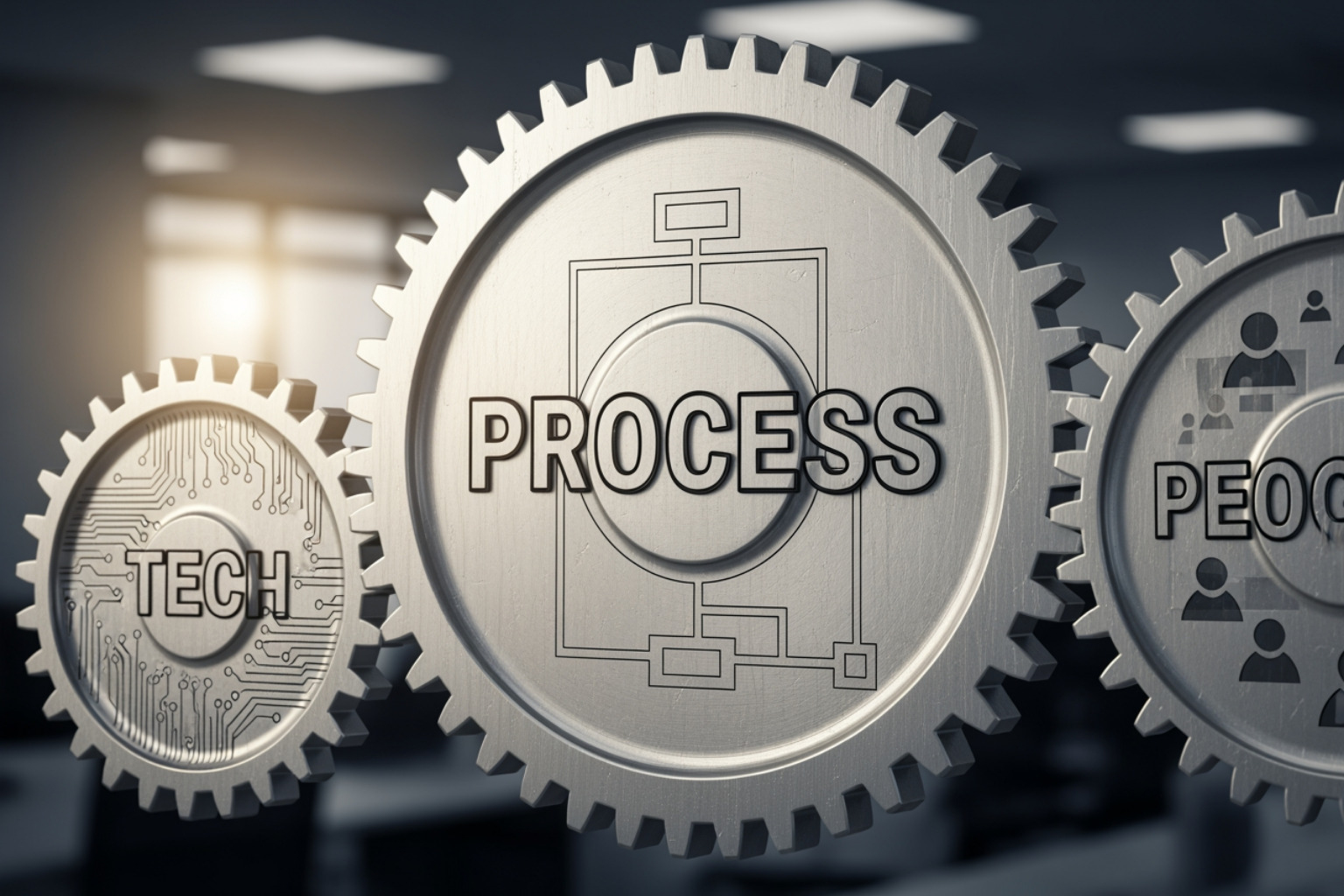
Successful business scaling solutions are built upon strong foundations of technology, efficient processes, and a cohesive team that can maintain company culture even under pressure.
The Role of Technology and Automation in Successful Business Scaling
Technology and automation are indispensable for efficient scaling. They enable businesses to handle increased volume, streamline operations, and reduce manual effort.
- CRM Software: Customer Relationship Management (CRM) tools can connect your core business functions, such as marketing, sales, and eCommerce teams, on one platform. This centralizes customer data, streamlines communication, and improves sales processes.
- Project Management Tools: Platforms for project management help manage complex projects, allocate resources, and track progress, ensuring efficiency as your team grows. Studies show that using structured time management techniques increases productivity.
- Automating Repetitive Tasks: Identify tasks that are routine and time-consuming (e.g., invoicing, data entry, basic customer inquiries) and automate them. This frees up human capital for more strategic, high-value activities.
- Cloud-Based Solutions: Cloud infrastructure offers flexibility, scalability, and remote accessibility, reducing the need for significant upfront hardware investment and enabling teams to work from anywhere.
- Data Analysis and Business Intelligence: Leveraging data from your CRM, e-commerce platform, or accounting tools can help you identify areas for improvement, understand customer behavior, and make informed growth decisions.
Many of these tools now incorporate advanced artificial intelligence (AI) capabilities. According to recent studies, AI-powered automation tools show gains in productivity ranging from 14 percent to over 50 percent in specific professional tasks.
Building and Managing a Team to Support Scaling Efforts
Your team is your most valuable asset during scaling. Building and managing it effectively requires strategic hiring, robust onboarding, and continuous development.
- Hiring for Specific Gaps and Culture Fit: Focus on hiring individuals whose personalities align with your company culture and whose skills fill critical operational needs or knowledge gaps. The right hires help drive performance and adapt to scaling challenges.
- Scalable Onboarding Process: Develop a structured and efficient onboarding program that quickly integrates new team members. This might include video tutorials, written procedures, and supervised practice opportunities. Training materials can be preloaded into AI systems for quick access and contextual prompting.
- Leadership Development: Invest in training and empowering managers. As your team grows, effective leadership is crucial for maintaining morale, productivity, and alignment with company goals.
- Delegation and Outsourcing: Empower managers to delegate tasks effectively. For non-core functions or specialized expertise, consider outsourcing. Deloitte’s 2024 Global Outsourcing Survey found that 42 percent of businesses cite improved access to talent as a primary driver for outsourcing, while 20 percent focus on accessing capabilities not available internally. Outsourcing non-core tasks, like payroll or expense reporting, frees up internal resources to focus on growth activities and can streamline your SEO efforts.
How to Maintain Company Culture While Scaling Rapidly
Rapid growth can challenge company culture. Preserving your unique identity and values requires intentional effort.
- Communicating Values Clearly: Regularly articulate your company’s mission, vision, and values. Ensure new hires understand and resonate with these principles from day one.
- Transparent Leadership: Leaders must lead by example, embodying the desired culture. Open and honest communication about company performance, challenges, and decisions fosters trust and psychological safety.
- Employee Engagement and Feedback: Actively solicit feedback from employees and involve them in decision-making processes where appropriate. An article from Gallup highlights that “workplace engagement” is one of the biggest challenges companies face in hiring and retaining talent, making it essential to invest in employee satisfaction and career development.
- Fostering Collaboration: Implement tools and initiatives that encourage cross-functional collaboration and team building. This helps maintain a sense of community and shared purpose as the organization expands.
- Investing in Employee Development: Offer opportunities for skill development and career progression. This demonstrates a commitment to your team’s growth and helps retain top talent.
Advanced Business Scaling Solutions and Mindset
Beyond the foundational elements, advanced business scaling solutions involve leveraging cutting-edge technology like AI, diversifying revenue streams, and adopting a CEO-level mindset.

Leveraging AI to Improve Your Business Scaling Solutions
Artificial Intelligence (AI) is rapidly becoming a game-changer for businesses looking to scale efficiently and intelligently.
- AI for Data Analysis: AI can process vast amounts of data much faster than humans, identifying patterns, trends, and insights that can inform strategic decisions. This includes predictive analytics for forecasting demand or market shifts.
- AI-Powered Automation: AI improves automation beyond simple repetitive tasks. For example, AI can automate customer service chatbots, personalize marketing campaigns, or optimize supply chain logistics. According to recent studies, AI-powered automation tools show gains in productivity ranging from 14 percent to over 50 percent in specific professional tasks.
- Content Creation and Optimization: AI tools can assist in generating marketing copy, blog posts, and social media content, significantly increasing output and consistency.
- Customer Service Chatbots: AI-powered chatbots can handle a large volume of routine customer inquiries, providing instant support and freeing up human agents for more complex issues.
- Predictive Analytics for Sales: AI can analyze past sales data and customer behavior to predict future trends, helping businesses optimize inventory, staffing, and marketing efforts.
MDM Marketing offers specialized AI integration services to help businesses in Canton, OH, leverage these advanced capabilities for improved scaling strategies.
Productizing Services and Diversifying Revenue
For service-based businesses, particularly consulting practices, productizing services is a powerful scaling strategy.
- Creating Information Products: Packaging your expertise into digital products like online courses, e-books, or templates allows you to reach a broader audience and generate revenue without directly trading time for money.
- Standardized Service Packages: Instead of bespoke projects for every client, define clear, standardized service packages with fixed deliverables, timelines, and pricing. A food and beverage consultancy, for example, might productize its services into specific “stages” that emerging brands typically progress through, allowing them to serve hundreds of clients systematically.
- Licensing and Certification Programs: Develop proprietary methodologies or training programs that can be licensed to other businesses or individuals, creating a new, scalable revenue stream.
- Strategic Partnerships: Collaborate with complementary businesses to offer integrated solutions or expand your market reach. This approach can help you build funds without depleting core revenue by accessing new customer bases.
For consulting practices, there are different business models for scaling. The “Consulting Firm Model” leverages other consultants, offering the highest scalability potential but requiring significant investment in talent and systems. The “Productized Consulting Model” scales efficiently through standardized offerings, while the “Customized Consulting Model” can reach high revenues through high-value specialization and premium pricing. Many successful consultants combine elements from multiple models as they grow.
Developing a CEO Mindset to Drive Successful Scaling
Successful scaling requires more than just tactics – it demands a fundamental shift in mindset. For business owners, transitioning from an operator to a CEO mindset is critical.
- Strategic Thinking: A CEO mindset involves looking beyond day-to-day operations to focus on the long-term vision, market trends, and strategic positioning of the company.
- Long-Term Vision: Develop a clear, compelling vision for where the business is headed in the next 5-10 years. All scaling decisions should align with this overarching vision.
- Investment Orientation: Understand that scaling requires strategic investments in people, technology, and processes. Be prepared to allocate resources with the expectation of future returns, recognizing that most scaling investments require 6-12 months (or even longer) to generate positive ROI.
- Decisiveness: As the business grows, more complex decisions will arise. A CEO mindset cultivates the ability to make timely, informed decisions, even when faced with uncertainty.
- Adapting to Market Changes: The business landscape is dynamic. A CEO mindset accepts agility and continuous learning, allowing the business to pivot and adapt to new market conditions and customer needs effectively during the scaling phase.
Frequently Asked Questions about Business Scaling
What is the main difference between growing and scaling a business?
Growth is linear, where revenue and costs increase proportionally. Scaling is exponential, focusing on increasing revenue without a significant rise in costs by leveraging systems, technology, and automation for greater efficiency.
What are the most common mistakes businesses make when scaling?
The most common mistakes include scaling too quickly without a solid foundation, poor cash flow management, hiring the wrong people, losing focus on the core mission, and neglecting company culture, which can lead to operational failure.
How can technology and automation provide effective business scaling solutions?
Technology and automation are crucial for scaling. They streamline repetitive tasks, improve operational efficiency, provide valuable data for decision-making, and improve customer service, allowing the business to handle increased demand without a proportional increase in staff or resources.
Conclusion
Achieving sustainable growth through business scaling solutions requires a multifaceted approach encompassing strategic planning, system implementation, financial discipline, and a strong leadership mindset. By understanding the nuances of scaling versus simple growth, anticipating challenges, and leveraging modern tools like AI, businesses can open up their full potential and thrive in an evolving market.
MDM Marketing provides data-driven strategic marketing services to help businesses build a scalable foundation for long-term success. Based in Canton, OH, their team specializes in optimizing digital presence and implementing effective strategies that support ambitious growth goals. Contact us today to unlock your business’s full potential.
About useraccess
This author hasn't written a bio yet.